Uncovering the rich history of gambling From ancient rites to modern casinos
Ancient Beginnings: Gambling in Early Civilizations
The origins of gambling trace back thousands of years, embedded deeply in the fabric of early civilizations. Ancient China and Mesopotamia are often credited with some of the earliest forms of gambling, including games involving dice made from animal bones. These games were not just forms of entertainment; they played a significant role in social rituals and decision-making processes. For instance, the Chinese used casting lots for divination, intertwining chance with spirituality. Today, platforms like https://kingmaker-de.org continue this legacy, offering a blend of gaming experiences that echo historical traditions.
Moreover, gambling was integral to various religious practices. In Ancient Rome, for example, games of chance were associated with festivals honoring the gods. Citizens participated in betting as a means of seeking favor or luck, believing their fortunes were influenced by divine powers. Such rituals underscored the belief that life’s outcomes were intertwined with fate, and gambling served as a medium to engage with this profound mystery.
Throughout these ancient societies, gambling evolved and adapted, manifesting in different forms and rules. The introduction of games like the Chinese ‘pai gow’ and Roman betting on gladiatorial contests showcased how cultural nuances influenced gambling practices. This historical tapestry of gambling laid the groundwork for the diversified forms of gaming that we see today.
The Middle Ages: Gambling in the Shadow of the Church
The Middle Ages witnessed a complex relationship between gambling and religion, particularly with the rise of the Christian Church. While gambling remained popular among the masses, the Church often condemned it, labeling it as sinful and a vice that could lead individuals astray. Despite this, various forms of gambling continued to thrive, often in secret, reflecting the tension between societal norms and individual desires.
During this time, card games gained popularity, especially in Europe. The introduction of playing cards, believed to have come from the Islamic world, transformed gambling culture. Games like ‘piquet’ and ‘whist’ became staples in noble circles, where wagers were placed on the outcomes, further entrenching gambling within social hierarchies. The tension between the church’s disapproval and the popularity of these games highlights how gambling adapted and persisted despite societal constraints.
Furthermore, gambling also found its way into the realms of politics and war during the Middle Ages. Rulers would gamble on the outcomes of battles or alliances, illustrating a blend of chance, strategy, and power dynamics. This era saw the emergence of organized gaming, culminating in the eventual formation of official gaming houses, setting the stage for future developments in gambling regulation.
The Renaissance: A Cultural Rebirth and the Rise of Casinos
The Renaissance marked a period of transformation that revitalized interest in arts, sciences, and social structures, including gambling. With increased trade and wealth, gambling took on new dimensions, leading to the establishment of the first formal casinos in Italy. The term “casa da gioco,” or gaming house, emerged, indicating a shift from informal gambling to organized venues where individuals could engage in various games.
Venice became a hub for gambling activities, introducing games such as baccarat and roulette to eager players. The extravagant casinos mirrored the opulence of the time, attracting the elite and further embedding gambling in the social fabric. This period also saw the development of new gaming strategies and mathematical approaches to gambling, driven by a growing understanding of probability, shaping how games were played and perceived.
As casinos began to flourish, they also attracted scrutiny from authorities. Regulations emerged to control gambling practices, reflecting the inherent tensions between enjoyment and excess. Despite these regulations, the allure of casinos only grew, symbolizing both the decadence of the era and the human fascination with luck and chance, leading to an ever-evolving gambling landscape.
The 19th and 20th Centuries: Legitimization and Global Expansion
The 19th century heralded a significant shift in gambling, with increasing legitimization and formalization. The establishment of the Monte Carlo Casino in 1863 marked a pivotal moment, as it attracted visitors from around the world, showcasing luxurious environments coupled with thrilling games. This era was characterized by the expansion of gaming beyond Europe, as gambling began to spread globally, influenced by colonial pursuits and cultural exchanges.
In the United States, the Gold Rush and the westward expansion led to the emergence of frontier gambling, where saloons and makeshift gaming tables became commonplace. The introduction of poker and other card games became emblematic of American culture, creating a unique blend of chance, strategy, and social interaction. These games reflected the spirit of adventure and risk that defined the era, becoming integral to the American identity.
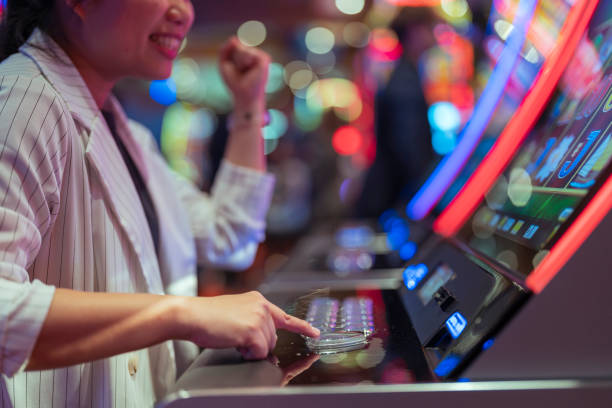
The 20th century saw gambling undergo further transformations with the advent of technology. The introduction of slot machines in the early 1900s revolutionized gambling, making it accessible to the masses. This period also laid the groundwork for the modern gaming industry, as states began to legalize and regulate gambling, recognizing its potential as a source of revenue. The establishment of Las Vegas as a gambling capital showcased this shift, blending entertainment with gaming in unprecedented ways.
The Digital Era: Online Gaming and the Future of Gambling
The advent of the internet has drastically transformed the gambling landscape, ushering in the digital era. Online casinos emerged in the late 1990s, allowing players to engage in gaming from the comfort of their homes. This shift not only expanded access but also diversified gaming options, with thousands of online platforms offering everything from traditional table games to innovative slots and live dealer experiences.
Regulations surrounding online gambling have evolved, with various jurisdictions establishing licenses to ensure player safety and fair play. This development has enabled operators to prioritize security, enhancing user experience with reliable payment methods and 24/7 customer support. The digital landscape has also facilitated community building, allowing players to connect across the globe, sharing strategies and experiences in real time.
As technology continues to evolve, the future of gambling holds exciting possibilities. Innovations such as virtual reality and blockchain technology promise to create more immersive and secure gaming environments. As the industry adapts to these advancements, the essence of gambling—its thrill, risk, and communal experiences—remains a constant, ensuring its place in human culture for years to come.
Kingmaker Casino: A Modern Online Gaming Experience
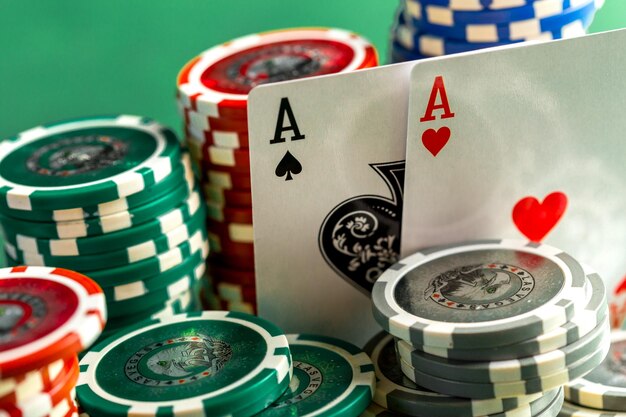
Kingmaker Casino stands as a testament to the evolution of gambling in the digital age. With a diverse range of over 2,000 games, including slots, table games, and live dealer experiences, it caters to a broad audience of players. The platform prioritizes security, ensuring that users can enjoy their gaming experience with peace of mind. A user-friendly interface makes navigation seamless, allowing players to focus on what matters most—enjoying their gaming journey.
Moreover, Kingmaker Casino offers various reliable payment methods, ensuring that transactions are quick and secure. Their commitment to customer support sets them apart, with 24/7 assistance available to address any concerns or queries players may have. This dedication to service exemplifies the modern online gaming experience, where player satisfaction is paramount.
As the landscape of gambling continues to evolve, Kingmaker Casino remains at the forefront, providing a safe and exciting environment for players to explore their passions. Whether it’s taking a chance on a slot machine or engaging in a live dealer game, the platform embodies the rich history and future of gambling, making it a premier destination for gaming enthusiasts.
